By Olly Reed
Last year I wrote a LinkedIn post about something that had been frustrating me for a long time. Across the visitor attractions we work with at Navigate, we'd noticed the same pattern appearing time and time again. A rain icon appeared on a weather app, visitor numbers dropped. Then we'd look outside... and it was dry.
At first it felt anecdotal. But as we analysed more campaigns, more visitor data and more attendance figures across the organisations we support, the pattern became impossible to ignore. That post unexpectedly caught the attention of attractions and even the Daily Mail, but more importantly it started conversations across the visitor economy.
One of those conversations was with Rob Comley at Chester Zoo. Rob echoed that they were seeing exactly the same thing. Together, we realised this wasn't a zoo problem, nor was it a heritage problem, or just a tourism problem. It was a visitor economy problem. And if organisations across the country were all seeing the same trend, perhaps it was time to bring everyone together.
From conversation to collaboration
What followed over the next few months exceeded anything either of us expected. More than 100 attractions backed an open call for discussions around how weather forecasts are presented. From zoos and gardens to museums, heritage sites, theme parks and family attractions, organisations from every corner of the sector recognised the challenge. That campaign generated national media coverage, but the real success wasn't the headlines. It was the response.
The Met Office engaged positively, they listened. They wanted to understand the evidence and most importantly they wanted to work collaboratively.
That ultimately led to this month's Weather Summit at Chester Zoo, bringing together the Met Office, BBC Weather, government representatives and leaders from some of the UK's biggest visitor attractions.
Nobody questioned the science
One thing became clear very quickly during the day. This was never about questioning the accuracy of weather forecasts. In fact, quite the opposite. The discussion acknowledged the incredible advances in forecasting and the trust people rightly place in the Met Office. The issue wasn't the science. It was how weather information is consumed and interpreted by people making quick decisions about their day. Today's visitor behaves very differently to ten years ago. Booking windows have shortened dramatically, families increasingly decide where to go on the morning of their visit and we know many make that decision with a quick glance at a weather app. When that happens, a single icon can carry enormous influence.

The biggest outcome wasn't a recommendation
The Summit produced a series of practical recommendations. Greater consumer research. Clearer communication around forecasts. Exploring international best practice. Better use of APIs. Improved visitor guidance. Closer collaboration between attractions and weather providers. But for me, the biggest outcome wasn't any single recommendation. It was the commitment to continue working together. Everyone left recognising that this conversation extends well beyond rain. Heatwaves. Wind. Snow. Flooding. Weather warnings. AI-generated forecasts. Changing visitor expectations.
These are challenges that affect every part of the visitor economy, and understanding them requires ongoing evidence rather than isolated examples.
One of the most encouraging outcomes from the Summit was the genuine spirit of collaboration. By continuing to bring together visitor data from across the tourism sector alongside weather expertise, we can build a stronger evidence base that helps everyone better understand visitor behaviour and make more informed decisions. This is just the beginning of that collaboration.
You can read the Met Office's take on the day here.
Where do we go from here?
One theme kept resurfacing throughout the day. Data. Not more opinions. Not louder voices. Better evidence. The visitor economy generates millions of decisions every year, and weather influences an extraordinary number of them. Understanding those relationships shouldn't be the responsibility of one attraction, one organisation or one campaign. It should be something we build together.
That's where I believe Navigate has an important role to play. Every week we analyse visitor behaviour across organisations representing almost every part of the UK's visitor economy. That gives us a perspective that is difficult for any individual attraction to achieve on its own.
By continuing to bring together anonymised visitor insights from across the sector and working collaboratively with partners such as the Met Office, we have an opportunity to build one of the richest evidence bases anywhere on how weather influences tourism.
Not simply to improve forecasting. But to help attractions plan better. Help visitors make more informed decisions. Help the industry respond to changing weather patterns. And ultimately help more people enjoy great days out, whatever the forecast. The Weather Summit wasn't the conclusion of a campaign. It was the beginning of a long-term collaboration. I'm excited to see where it leads.
If you have thoughts, ideas or data on how forecasting is impacting your organisation, whether through icons, or weather warnings, get in touch and we’ll help collate and communicate that impact with the Met Office.
Let's talk
Looking for more information? Fill out the form below to start a conversation with Olly our Marketing Director, or book a quick chat with him at a time that suits you by clicking here.
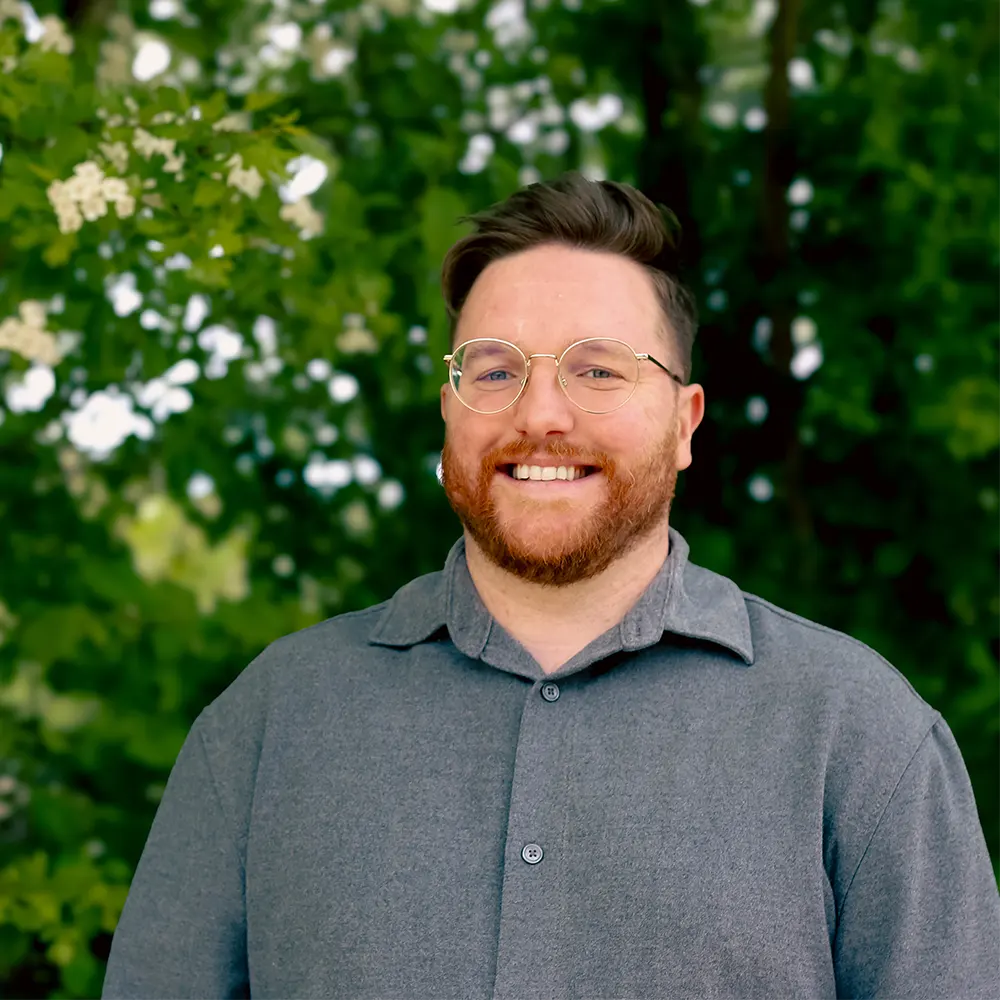
By Olly Reed, Marketing Director, Navigate
Olly Reed is Marketing Director at Navigate, specialising in brand strategy, content, and digital growth for visitor attractions and conservation organisations. With more than 15 years’ experience, he recently led a major weather campaign with Chester Zoo, designed to challenge how apps communicate and position forecasts.