For UK visitor attractions competing for family day trips in 2026, the opportunity isn't in choosing between paid advertising, influencer marketing, or email campaigns. It's in making them work together. Regional attractions from safari parks to heritage sites are finding that integrated digital marketing strategies consistently outperform siloed tactics, particularly when marketing to British families navigating tighter budgets and endless weekend options.
The old funnel isn't broken, it's just evolved, and families no longer move through your marketing in straight lines. They scroll, compare, forget, and get distracted by the weather, the group chat, the cost of petrol, then come back three days later and book at 10:42pm.
Visitor behaviour in 2026 isn't linear, it's layered. Which means your marketing mix needs to work as a connected system, not a collection of separate tactics.

Paid advertising for UK visitor attractions is like building your engine
Paid media is often treated like a tap: turn it on when you need sales, turn it off when budgets tighten. But the most successful UK attractions treat it differently.
Paid should be the structural engine of your marketing. It captures intent that already exists and creates intent where it doesn't, allowing you to scale when the weather turns good, when an event launches, or when booking windows compress.
Done properly, paid media gives you control, data, and speed. But it only works when it's grounded in commercial reality.
If you can't answer what a profitable cost-per-booking looks like, or what return on ad spend you need to sustain margin, then optimisation becomes guesswork. And guesswork rarely scales.
For regional attractions, strong performance isn't about massive budgets. It's about clarity of objective. A well-structured account with clear creative testing, audience segmentation, and retargeting discipline will outperform a larger but unfocused spend every time.
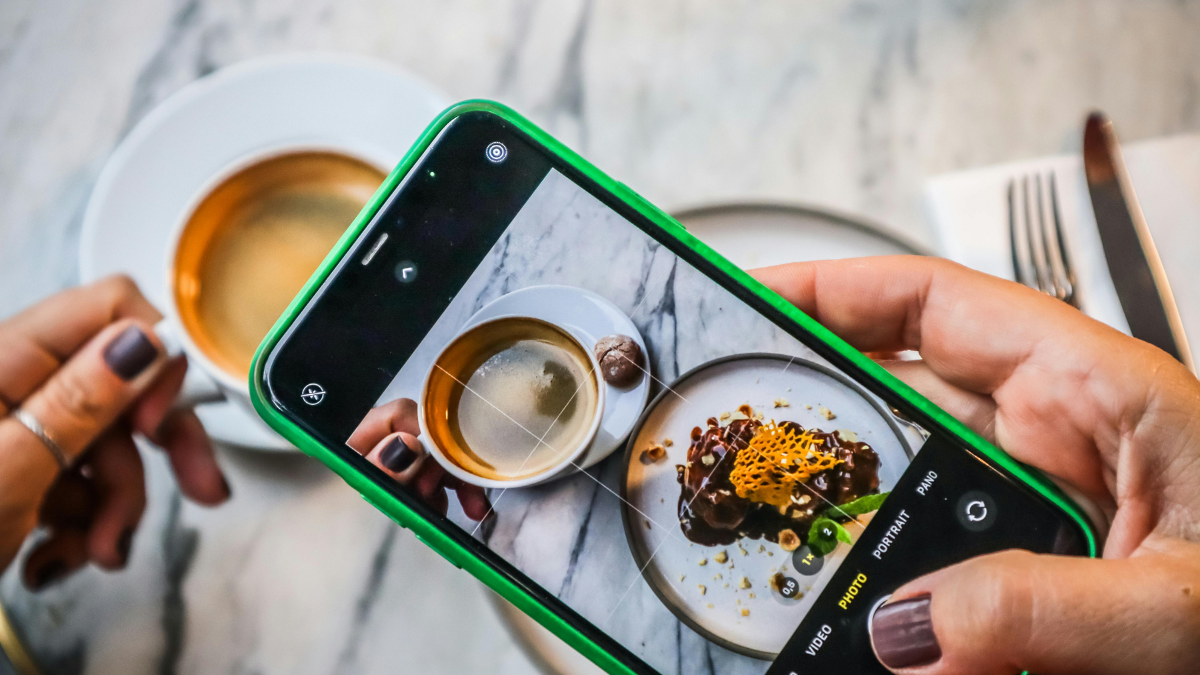
Influencer marketing is trust at scale
Influencer marketing in the visitor sector is still misunderstood. It isn't about reach for the sake of reach, and it isn't about ticking a "we did TikTok" box. It's about accelerating trust.
When a family sees another family enjoying a day out, navigating the car park, ordering lunch, and reacting to the experience, it reduces perceived risk. That emotional shortcut matters more than polished brand messaging.
For most attractions, micro-creators with strong local audiences consistently outperform larger national names. Geographic relevance beats follower count, authenticity beats production value.
No influencer budget? That's not the blocker you think it is.
There's a persistent belief that influencer marketing requires a dedicated line item, that without contacts and creator fees, it simply isn't possible. That isn't what we're seeing.
Some high-performing creatives we see across campaigns right now are filmed on an up-to-date iPhone by a member of staff. The difference isn't equipment, it's framing.
When content is created as if the person filming has just been gifted a voucher and is genuinely experiencing the day out, it lands differently. It feels like a recommendation, not an advert, mirroring how creators naturally post.
Instead of announcing what the attraction is, it shows what the day feels like: parking, queues, food, what surprised them, what the kids loved, and what felt worth the money.
On platforms like Instagram and TikTok, authenticity consistently outperforms polish. Audiences scroll past over-produced content and pause for relatability.
When that content is then boosted, retargeted, and reused across email and website, it becomes a low-cost influencer strategy rooted in credibility.
The margin protector
Paid media builds scale, influencer builds belief. Email protects the margin.
Most UK attractions aren't short of traffic; they're short of owned audience. Every time you pay to reach the same family again, you're leaking efficiency. First-party data is what stabilises growth across seasons, smoothing the peaks and cushioning the troughs.
A strong email strategy isn't just a monthly newsletter. It's a welcome sequence that nurtures new sign-ups, abandoned browse or basket reminders, segmented messaging that recognises families differently from adult audiences, early access for seasonal events, and re-engagement before off-peak periods.
When email is treated as a performance channel rather than an afterthought, it becomes one of the highest-return activities in the mix.
It’s a system, integrate your channels for visitor growth
Running paid, influencer, and email isn't enough. The real power comes from running them together.
A school holiday campaign illustrates how this works: awareness begins with paid video and social-first creative, influencer-style content introduces social proof, and as interest builds, retargeting ads focus on experience highlights. Email reminds segmented audiences that tickets are live, urgency messaging increases frequency as dates approach, and post-visit communication reinforces loyalty while promoting the next event.
Each channel strengthens the others. Paid drives reach, influencer builds trust, email drives repeat behaviour, and data feeds back into optimisation. When structured this way, marketing becomes compounding rather than reactive.
What does this mean for 2026?
The "default day out" is evolving for British families. They're more price-aware, more distracted, more comparison-driven. They expect proof before purchase.
UK attractions that will thrive are the ones who align their mix. They are testing creative more aggressively, capturing first-party data consistently, using influencer content as performance creative, viewing email as a growth engine (not admin), and measuring bookings. In a market shaped by uncertainty, deliberate growth is a competitive advantage.
Get in contact with the team at Navigate to find out more.
Let’s talk
Looking for more information? Reach out to our team to talk about how we can help.
Fill out the form below, to start a conversation.